

 How To Handle A Cockroach Infestation

That moment when you flick on the kitchen light at 2am and see them scatter? It stays with you. And if you’re now seeing them regularly, you’re probably feeling a mix of frustration, embarrassment, and genuine concern about what this means for your home and your family’s health.
You’re not alone. We treat cockroach infestations across Sydney every single day at Bug Free Pest Control. Some are minor. Some are serious. But every single person who calls us just wants the same thing: to feel comfortable in their own home again.
This guide will help you understand exactly what you’re dealing with, whether you can handle it yourself, and when it’s time to call in professionals.

How Do I Know If I Have a Cockroach Infestation?
Here’s something that might make you feel a bit better (or worse, depending on how you look at it): seeing one cockroach doesn’t automatically mean you have a cockroach infestation.
But here’s the thing. Cockroaches hate being seen. They’re nocturnal, they prefer darkness, and they’d rather stay hidden in cracks and crevices than wander across your kitchen bench. So if you’re seeing them regularly? There are almost certainly many more hiding where you can’t see them.
Signs You Have a Problem
Droppings are often the first clue. Small cockroaches leave droppings that look like ground coffee or black pepper. Larger species leave little cylindrical pellets with blunt ends. Check your cupboards, under the sink, behind the fridge. If you find droppings, you have residents.
Egg cases tell a story too. These small, brown, capsule-shaped cases are called oothecae. Each one contains multiple eggs. Finding them means cockroaches aren’t just visiting. They’re breeding.
That smell. If you’ve noticed an oily, musty odour in your kitchen or bathroom that you can’t quite place, it might be cockroaches. Established infestations have a distinctive smell that’s hard to describe but unmistakable once you know it.
Smear marks along walls and kickboards. In humid areas, cockroaches leave brown, irregular streaks along their regular travel routes.
And the big one: daytime sightings. Cockroaches are nocturnal. If you’re seeing them during the day, it usually means the population has grown so large that some are being pushed out of the good hiding spots. That’s a heavy infestation.
How Bad Is It? A Reality Check
| Severity | What You’re Seeing | What It Actually Means | Can You Fix It Yourself? |
|---|---|---|---|
| Light | A few cockroaches over several weeks, only at night | Probably dozens hiding | Maybe, if they’re larger species |
| Moderate | 10-25 sightings, droppings visible, occasional daytime appearance | Likely hundreds | Unlikely for German cockroaches |
| Heavy | Daily sightings, multiple at once, daytime activity, noticeable smell | Could be thousands | No. You need professional help. |
The rule of thumb that pest controllers use: for every cockroach you see, assume there are at least ten more hiding. It’s not a comforting thought, but it’s better to know what you’re dealing with.
What Type of Cockroach Do I Have?
This actually matters more than most people realise. The species you’re dealing with completely changes how you need to respond.
German Cockroaches: The Ones You Really Don’t Want
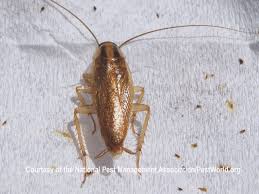
These are the small ones. About 12-15mm, tan to light brown, with two dark stripes behind their head. If these are what you’re seeing, I’m sorry. German cockroaches are the hardest to get rid of.
They live exclusively indoors. They love warm, humid spots near food, which is why you’ll find them in kitchens, behind fridges, inside dishwasher door seals, and around stove cavities. One female can produce up to 30,000 offspring in a year. Yes, you read that right.
The reason they’re so difficult is that they’ve developed resistance to many over-the-counter products. The stuff you buy at the supermarket? German cockroaches often shrug it off. They also hide in places that sprays and bombs can’t reach, and they breed fast enough to replace any you manage to kill.
If you have German cockroaches, especially in a unit block, you almost certainly need professional treatment. I wish I could tell you otherwise, but DIY methods rarely work for established German cockroach infestations.
American Cockroaches: Big But Less Scary
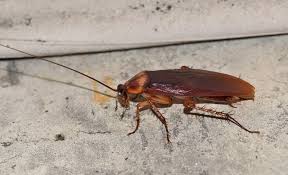
These are the large ones, 35-40mm, reddish-brown with a yellowish figure-8 pattern on their head. They look terrifying, but they’re actually easier to deal with than their smaller German cousins.
American cockroaches prefer living outdoors but come inside through drains, gaps under doors, and where pipes enter walls. You’ll often see more of them after heavy rain when they’re escaping flooded outdoor hiding spots.
Because they’re usually entering from outside rather than breeding inside your walls, sealing entry points and treating the perimeter can be genuinely effective.
Australian Cockroaches
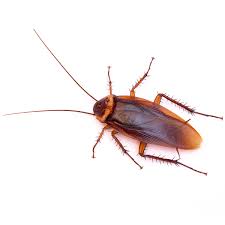
Similar size to American cockroaches (30-35mm), dark brown with yellow markings on the thorax and wing edges. These prefer gardens and outdoor areas but move inside when it gets cold.
If you live near bushland or have an established garden, you’re more likely to encounter these.
Smokybrown Cockroaches
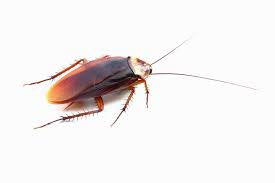
Large (30-35mm), uniform dark brown, shiny. Strong fliers. These are the ones that fly at your face when you least expect it (sorry for the mental image).
They live in trees, gutters, and roof voids, and they’re attracted to lights at night. Common in leafy northern Sydney suburbs.
Why Do I Have Cockroaches?
Before you start blaming yourself, understand this: cockroaches aren’t necessarily a sign of a dirty home. Yes, they need food. But they can survive on almost nothing. A few crumbs in a cupboard crack. A bit of grease behind the stove. That’s enough.
What they really need is water and shelter. And Sydney provides both in abundance.
Sydney is basically a cockroach paradise
Our unit blocks are perfect for German cockroaches. Shared walls. Common plumbing. Multiple food sources across dozens of units. Once German cockroaches establish in one apartment, they spread through the building. This is why treating your unit alone often doesn’t work. They just came back from next door.
Older Sydney homes have entry points everywhere. Houses built before the 1990s often have gaps around pipes, worn door seals, and subfloor areas that cockroaches love. The structure that keeps you sheltered also keeps them sheltered.
Our humidity is ideal for breeding. Sydney summers are warm and humid. Bathrooms, laundries, and under-sink areas create perfect microclimates for cockroaches to thrive.
Drains are highways. American cockroaches travel through Sydney’s drainage system and enter homes through floor wastes. After rain, you might notice more large cockroaches appearing in bathrooms and laundries. They’re coming up from below.
How to Get Rid of Cockroaches: Step by Step
Step 1: Figure Out What You’re Dealing With
Before you do anything else, identify the species and severity.
Small, tan cockroaches in the kitchen? Probably German cockroaches. Be prepared for this to be a longer battle that likely needs professional help.
Large, reddish-brown cockroaches appear occasionally, especially after rain. Probably American or Australian cockroaches. You might be able to handle this yourself if it’s a light infestation.
Seeing cockroaches daily, or during daylight? That’s a heavy infestation. Call a professional regardless of species.
Step 2: Deep Clean as You’ve Never Cleaned Before
Cockroaches survive on remarkably little, so you need to be thorough.
Empty every kitchen cupboard. Every single one. Wipe them down, including under any shelf liners. Pull out the stove and fridge (yes, it’s a pain) and clean behind and underneath. Clean inside your dishwasher door seals where gunk accumulates. Vacuum every crack and crevice along skirting boards.
Store all food in sealed containers. This includes pet food, which people often forget. Take rubbish out daily. Don’t leave dirty dishes in the sink overnight.
I know this sounds exhausting. It is. But skipping this step means any treatment you do will be far less effective.
Step 3: Cut Off Their Water
Fix any leaking taps or pipes, even small drips. Make sure bathroom exhaust fans are working. Don’t leave wet sponges or cloths sitting out. Consider emptying and drying your sink after evening use.
Step 4: Seal Entry Points
Use silicone or expanding foam to seal gaps around pipes where they enter walls. Replace worn door seals and weather stripping. Fit covers to floor drains. Seal cracks in skirting boards. Check window screens for holes.
Step 5: Apply Treatment
For larger cockroaches (American, Australian, Smokybrown):
Cockroach baits work well. Place them in cupboards, behind appliances, and under sinks. Surface spray around external entry points and drains can help. Cockroach bombs can reduce numbers, but they won’t eliminate an infestation on their own because the fog doesn’t reach into cracks where cockroaches actually hide.
For German cockroaches:
Here’s the truth. DIY treatments rarely work for established German cockroach infestations. They’ve developed resistance to many retail products. Professional gel baits and targeted treatments get into the harbourage areas that over-the-counter products can’t reach. If you’ve got German cockroaches, save your money on DIY products and put it toward professional treatment instead.
Step 6: Monitor and Be Patient
Put some sticky traps in problem areas to monitor activity. Check again after two weeks. If you’re still seeing cockroaches, reassess your approach.
For German cockroach infestations, even with professional treatment, expect 4-6 weeks before the problem is fully resolved. Multiple generations and hidden eggs need to be eliminated, and that takes time.
DIY vs Professional: An Honest Assessment
I could tell you that you always need to call a professional. But that wouldn’t be true, and you’d see through it anyway.
When DIY Can Actually Work
You’re dealing with larger cockroaches (American, Australian) that are coming in from outside. The infestation is light, meaning you’re only seeing them occasionally at night. You can identify and seal the entry points they’re using. You’re in a house, not a unit block with shared walls.
If all of those apply, DIY methods have a reasonable chance of success.
When You Need Professional Help
You’ve identified German cockroaches. They’re small, tan, and hanging out in your kitchen and bathroom. DIY products rarely eliminate German cockroach infestations.
You’re in a unit block or apartment. Shared walls mean cockroaches can re-enter from neighbouring units no matter how well you treat your own.
The infestation is heavy. Daily sightings, daytime activity, or that distinctive smell mean the population is too large for retail products to handle.
You’ve already tried DIY and it hasn’t worked. If baits and sprays haven’t solved the problem after a few weeks, you need a different approach.
What Happens When You Call Bug Free
We start with an inspection. Not just a quick look around, but a proper assessment to identify the species, find where they’re harbouring (hiding and breeding), and work out how severe the infestation really is.
Then we apply targeted treatment. We use professional-grade gel baits, dusts, and residual sprays in locations DIY products can’t reach. Behind kickboards. Inside wall cavities. Deep in the cracks where cockroaches actually live.
We seal entry points where possible, give you advice on preventing recurrence, and for German cockroach infestations, schedule follow-up visits. Most German cockroach treatments require 2-3 visits to fully break the breeding cycle.
What Does It Cost?
At Bug Free, cockroach treatments start from $89.
The exact price depends on your property size, how severe the infestation is, which species you have, and whether follow-up visits are needed. We give you the price upfront with no surprises.
Keeping Them Gone
Once you’ve eliminated cockroaches, prevention becomes the priority. The effort you put in now saves you from going through this again.
Kitchen basics: Wipe surfaces daily. Clean behind appliances monthly. Keep food in sealed containers. Empty bins before they get full.
Moisture control: Fix leaks the day you notice them. Use exhaust fans. Don’t create humid environments.
Physical barriers: Maintain door seals. Keep drains covered. Stay on top of any new gaps or cracks.
Regular checks: Look under sinks and behind appliances once a month. Catching activity early means addressing a small problem, not a big one.
If you’re in a unit block: Report infestations to strata management. Building-wide treatment is far more effective than individual units doing their own thing. Talk to your neighbours. This isn’t about blame; it’s about everyone wanting the same outcome.
Questions We Get Asked All the Time
Why have cockroaches suddenly appeared?
Several things can trigger it. Weather changes drive them inside. Building work nearby can disturb nests. A population that’s been growing invisibly might have finally reached the size where you’re noticing them. In units, an infestation in a neighbouring apartment can spread through shared walls and plumbing. Sometimes there’s no obvious cause, and that’s frustrating, but it doesn’t change how you deal with it.
How long until they’re gone?
For larger species with light infestations, 2-3 weeks of consistent effort usually does it. German cockroaches take longer, typically 4-6 weeks with professional treatment. Multiple generations and hidden eggs need to be eliminated, and you can’t rush biology.
Can they actually make me sick?
Yes. Cockroaches carry bacteria, including Salmonella and E. coli, which they transfer to surfaces and food. Their droppings, shed skins, and body parts trigger allergies and can worsen asthma, particularly in children. This is one of the reasons prompt treatment matters.
Do cockroach bombs work?
They kill some cockroaches on contact, but they have real limitations. The fog doesn’t penetrate into cracks, crevices, or behind appliances where cockroaches actually hide. Worse, they can scatter cockroaches into other areas of your home. We see plenty of customers who’ve tried multiple bombs without success before calling us.
Will they go away on their own?
No. If conditions remain suitable, cockroaches stay and breed. Without treatment, populations grow. A single pair of German cockroaches can produce thousands of offspring within a year. Waiting only makes the problem harder to solve.
I’m renting. What do I do?
Notify your landlord or property manager in writing about the infestation. Take photos. In most cases, pest control is the landlord’s responsibility unless the infestation was caused by your poor hygiene (and simple bad luck doesn’t count). Request professional treatment and keep a record of your communications.
Why do they keep coming back after treatment?
Common reasons: eggs survived and hatched (which is why follow-up treatments matter), entry points weren’t sealed, there are still food or moisture sources attracting them, or they’re re-entering from neighbouring properties. For German cockroaches in unit blocks, building-wide treatment is often the only long-term solution.
Are they worse in summer?
Yes. Cockroaches are more active in warm weather, and Sydney’s hot, humid summers accelerate breeding. But German cockroaches live exclusively indoors and remain active year-round. Winter provides a break from outdoor species, but it’s not a solution.
Ready to Get Your Home Back?
If you’re dealing with cockroaches, whether it’s a few big ones appearing from the drains or a serious German cockroach infestation in your kitchen, we can help.
We service all Sydney suburbs with same-day appointments available. Our treatments are safe for families and pets. And we guarantee our work.
Call 1300 855 548 or book online for cockroach treatment that actually works.

Residential & Domestic
Professional services with affordable Prices
Our fully licensed and experienced technicians will provide you and your family members with a pest control treatment catered for you and your home.

Commercial Pest Control
100% environmentally safe and friendly
All our chemical treatments are approved under Australian Standards so you can be confident of a safe and quality outcome.