

Ant Pest Control Sydney
Ants marching across the bench again? We find the colony and stop them at the source.
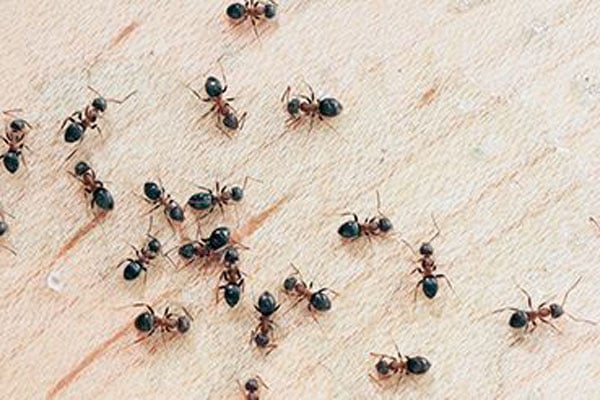
A few ants on the bench turn into a trail by lunchtime, and spraying them only buys you a day. The ones you see are a small slice of the colony; the queens are usually inside a wall, under the pavers or in a garden bed. We track the trail back to the nest and treat the colony itself, and ant treatment is included in general pest control from $89.
How much does ant pest control cost in Sydney?
Ants are covered in our standard general pest control, which starts from $89. That service also treats cockroaches, spiders and silverfish inside and out, so most households get more than just the ant problem fixed.
Some jobs need a separate quote
- Carpenter ants nesting inside timber walls, decks or window frames
- Large properties with several active colonies
- Commercial kitchens, warehouses and strata common areas
You’ll always get a fixed price before we start. No hidden fees.
Sydney ant species and how we treat them
Each species eats different food, nests in different places and responds to different products. Treat for the wrong one and the trail usually just moves to another part of the house.
Black house ants
Often called sugar ants
- What to look for
- Small (about 3 mm) and shiny black, and they move in neat lines along benchtops, skirting boards and power points. They nest in wall cavities, window and door frames, under pavers, in pot plants and sometimes the roof void.
- How we treat them
- Sweet gel baits along the trails work well on them, combined with a non-repellent treatment around the outside of the house to cut off where they’re getting in.
The true banded sugar ant is a different insect. It’s much larger, orange and black, active at night, and belongs to the carpenter ant group below.
Argentine ants
- What to look for
- Small, light to dark brown, and move fast in thick, busy trails. They nest in damp soil, under mulch and in leaf litter, and spread along fence lines from one yard to the next. One network can have many queens, so spraying a trail often splits the colony into several new ones. That’s why DIY sprays tend to make them worse.
- How we treat them
- We use a non-repellent perimeter treatment with slow-acting bait, which workers carry deep into the network.
Carpenter ants
- What to look for
- Big (up to 15 mm), black or orange and black, and mostly active at night. They nest in damp or decaying timber: window frames, decking, pergolas, old stumps and wall cavities near leaks. They don’t eat the wood, but they hollow it out and leave small piles of fine sawdust behind.
- How we treat them
- We find the nest and dust directly into the galleries, then help you sort out the moisture that drew them in. A carpenter ant nest inside the house often points to a leak you didn’t know you had.
Coastal brown ants
- What to look for
- Small and light brown, and some of the workers have oversized heads. They nest in the soil under pavers, paths, tiles and slab edges, and you’ll often spot little piles of fine soil pushed up between pavers or along skirting boards. They go for protein and grease, so sugar baits don’t interest them.
- How we treat them
- We use a protein-based granular bait in garden beds and lawns, plus a perimeter treatment.
Fire ants: what Sydney homeowners need to know
Red imported fire ants are a serious invasive pest, but they aren’t established in Sydney. They’re copper-brown with a darker abdomen, 2 to 6 mm long, and build mound nests in open ground. Fire ants are prohibited matter in NSW, so suspected nests must be reported to NSW DPI rather than treated privately. Don’t disturb the nest.
Most “fire ants” reported to us in Sydney turn out to be native ants that bite or sting, such as jumper ants or bull ants. If you’re unsure, send us a photo, and we’ll help identify them.
Why are ants coming into my house?
Ants usually come inside for one of these reasons, and most homes have more than one going on.
Food
Crumbs, sugar spills, unsealed pantry items, pet food bowls, greasy stovetops and recycling bins.
Moisture
Leaking taps, wet bathrooms and laundries, condensation around air conditioners and dishwashers. In dry spells, water alone brings them indoors.
Cracks and gaps
Slab joints, weep holes, window frames, gaps around pipes and cable entry points. An ant needs less than a millimetre to get through.
Garden conditions
Mulch piled against the walls, shrubs touching the house, and plants covered in aphids or scale insects, which ants farm for their sugary honeydew.
In Sydney, ant activity climbs from September and peaks through the warm months to around March. Heavy rain also sends them indoors when ground nests flood, so a stormy week often brings a sudden trail into the kitchen.
How BugFree treats ants: inspect, treat, prevent
-
Inspect
Your technician follows the trails, indoors and out, back to where they’re coming from. We check wall voids, window frames, pavers, garden beds, roof void and subfloor where accessible. Then we confirm the species, because that decides which bait and which perimeter product will work.
-
Treat
We combine methods to reach the colony, not just the foragers:
- Gel baits inside, placed along active trails where workers will pick them up and carry them home.
- Granular bait in garden beds, lawns and around nest sites outside.
- Liquid non-repellent perimeter treatment around the foundations, entry points, and weep holes. Ants can’t detect it, so they walk through it and share it through the nest.
- Direct nest treatment, such as dust into a wall void or carpenter ant gallery, when we find the nest itself.
The ants on your bench are a fraction of the colony. If only they die, the queens keep laying, and the trail is back within days, so we go after the colony itself.
-
Prevent
Before leaving, we’ll show you the entry points and conditions we found and what to fix. We’ll also tell you when to expect results, which is usually within a few days, and what to do if you still see activity.

How to stop ants coming back
Once we’ve treated, these habits make it much harder for ants to get back in.
- Seal entry points. Run silicone or caulk along gaps in window frames, skirting boards and where pipes and cables enter walls.
- Fix moisture. Repair dripping taps and leaking pipes, ventilate bathrooms, and keep gutters and downpipes clear.
- Remove food attractants. Wipe benches at night, store pantry food in sealed containers, rinse recycling, and pick up pet bowls after meals.
- Pull mulch back. Keep garden mulch and soil at least 15 to 30 cm away from the walls of the house.
- Trim plants away from the house so branches and shrubs don’t act as bridges onto the roof and walls.
- Treat aphids and scale on garden plants, because they keep feeding ant colonies near your home.
- Don’t spray the trail. It kills a few scouts and can split the colony. Wipe trails with warm soapy water to remove their scent instead, and let the bait do its job.
Termites are not ants
“White ants” are termites, not ants. They eat timber, can cause major structural damage, and need a different inspection and treatment. If you’ve seen mud tubes, hollow-sounding timber or discarded wings, book a termite inspection rather than ant treatment.
Why BugFree for ant control
Species First
We identify the species first and pick the baits and products that work on it.
Treatment That Reaches the Queens
Our baits and non-repellent products get carried back to the nest, so the treatment reaches the queens.
Included From $89
Ant treatment is included in general pest control from $89, and cockroaches, spiders and silverfish are treated in the same visit.
Licensed and Experienced
Our technicians are NSW EPA licensed and insured, with more than 35 years of Sydney experience and 5,300+ Google reviews behind them.
Safe for Kids and Pets
Treatments are applied to Australian standards and are safe for kids and pets once dry.
Ant pest control FAQs
How long does it take to get rid of ants?
Most households see a big drop within 2 to 5 days as workers take the bait back to the nest. Large Argentine ant networks or carpenter ants in timber can take a couple of weeks.
Why are there more ants right after treatment?
Baits attract workers, so you may see busier trails for a day or two. The ants are collecting bait for the colony, so leave the trails alone.
Are ant treatments safe for kids and pets?
Yes. Gel baits go in cracks out of reach, granular baits are spread in garden beds, and perimeter treatments are safe once dry, usually within 1 to 2 hours.
Why do ants keep coming back after I spray them?
Supermarket sprays only kill the ants they touch. The queens keep laying, and with some species, spraying causes the colony to split into new nests.
Do you treat ants in the garden and lawn?
Yes. Garden beds, lawns, pavers and paths are part of the outside treatment.
Do you treat ants in commercial properties?
Yes. We service cafes, restaurants, offices and warehouses, with treatment times arranged around your trading hours.
Book ant pest control today
Call 1300 855 548 or book online. We’re available 7 days a week, 7 am to 8 pm, with same-day appointments across Sydney.


100% Environmentally Safe and Friendly.
All our chemical treatments are approved under Pest Management Australian Standards so you can be confident of a safe and quality outcome.