

 Tick Season Is Starting Earlier Than Ever

Emergency room visits for tick bites are at their highest level since 2017. A mild winter has pushed tick season earlier than usual, and pest professionals across the country are already fielding more calls than at the same time last year. If you are waiting to see a tick before you act, you are already behind.
In this article
Why Tick Season Is Starting Earlier in 2026
The reason is simple: winter was mild. Ticks do not hibernate the way some insects do. They slow down in cold weather, but they do not die off. When temperatures stay moderate through winter, tick populations carry over in larger numbers into spring and summer. The result is a faster, heavier surge in activity when conditions warm up.
Pest control experts have noted that mild winters consistently produce earlier and more intense tick seasons. Valley News Live reported in April 2026 that the CDC’s own tick bite tracker is registering a sharp uptick in doctor and ER visits well ahead of typical peak season timing.
For Sydney and the broader New South Wales region, this is particularly relevant. The paralysis tick (Ixodes holocyclus) is endemic to Australia’s eastern coast and is considered one of the most medically significant tick species in the country. According to NSW Health, the paralysis tick is active year-round in coastal areas but surges significantly in spring and early summer. A warmer, wetter autumn means that surge begins sooner.
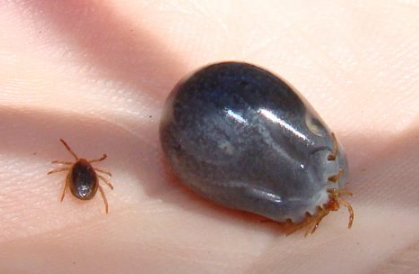
An engorged tick (right) compared to an unfed nymph. Ticks can expand to many times their original size after feeding on a host.
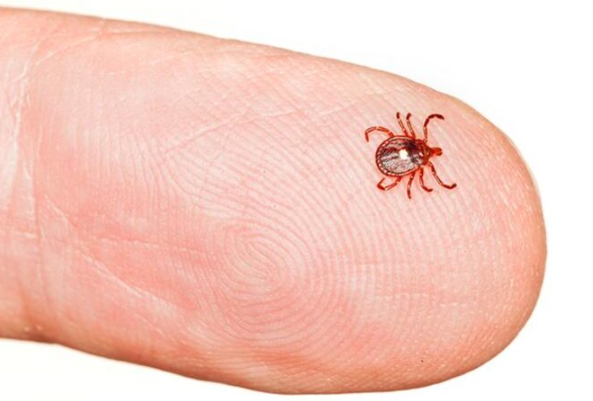
A paralysis tick on the tip of a finger. Their small size is exactly what makes them easy to miss.
What Ticks Are and Why They Are Dangerous
Ticks are not insects. They are arachnids, closely related to spiders and mites. They feed exclusively on blood, and they need a host at every stage of their life cycle: larva, nymph, and adult. That host can be a native animal, a domestic pet, or a human.
The paralysis tick (Ixodes holocyclus), the species most relevant to eastern Australia, injects a neurotoxin while feeding. In pets, particularly dogs and cats, this toxin can cause progressive paralysis and, in untreated cases, death. In humans, symptoms range from local swelling and rash to, in rare cases, full tick paralysis.
Important note for pet owners: Dogs and cats are highly susceptible to tick paralysis. If your pet becomes unsteady on its feet, loses its voice, or begins vomiting or gagging after spending time in the garden or bush, seek veterinary attention immediately. Tick paralysis in pets can escalate rapidly.
Beyond tick paralysis, ticks in Australia can carry and transmit a range of other pathogens. NSW Health recommends treating all tick bites with caution, regardless of whether symptoms develop immediately. The Better Health Channel notes that Australian tick-borne illnesses are an active area of ongoing research, and some patients experience prolonged symptoms following bites.
The real danger with ticks is their size. A nymph tick can be smaller than a poppy seed. Most people never feel a tick attach. By the time you notice swelling, redness, or symptoms, the tick may have been feeding for 24 to 48 hours.
Signs of Tick Activity Around Your Property
You are unlikely to find ticks walking across your floor or crawling up your walls. They are outdoor pests that wait in vegetation and attach to a passing host. But there are clear risk indicators that tell you whether your property is a high-risk environment.
- Proximity to bushland or reserves: The paralysis tick is predominantly found within a belt along Australia’s eastern coast, particularly in areas with native vegetation. Properties backing onto bush, scrub, or creek lines are at significantly higher risk.
- Long grass and dense garden beds: Ticks do not jump or fly. They practise a behaviour called questing, climbing to the tip of a grass blade or leaf and waiting for a warm-bodied host to brush past. Long, unmown grass and dense low shrubs are their preferred habitat.
- Wildlife activity on the property: Bandicoots, possums, echidnas, and other native animals are natural hosts for the paralysis tick. If your garden regularly has native wildlife visitors, tick pressure is higher.
- Pets bringing ticks inside: If you are finding engorged ticks on your pets after they have been outside, the tick population on your property is already established.
- Unexplained bites or rashes: A red, expanding rash around a bite site, particularly if it has a bullseye-like pattern, warrants immediate medical attention.
High-risk suburbs in Greater Sydney: Properties on the Northern Beaches, Sutherland Shire, the Hills District, and anywhere near national park boundaries carry a higher baseline risk of paralysis tick exposure. If you live in one of these areas and have a garden, children, or pets, this season warrants more caution than usual.
What You Can Do Right Now to Reduce the Risk
Waiting for a problem to appear before acting is exactly the wrong approach with ticks. By the time you or a family member has been bitten, the tick has already done its work. Prevention starts with your environment.
In the Garden
- Mow lawns regularly and keep grass short, particularly around paths, play areas, and pet runs. Ticks need height to quest effectively; a well-maintained lawn removes that advantage.
- Clear leaf litter, brush, and debris from garden beds adjacent to the house. Ticks shelter in moist, shaded organic material during the day.
- Create a barrier between your lawn and any adjacent bushland using gravel, wood chips, or a cleared strip. Ticks crossing an open, dry surface are significantly less likely to make it into your main garden.
- Trim low-hanging branches and shrubs that touch your fence line or building walls, particularly in areas where wildlife may be active.
- Avoid stacking timber or garden materials directly against the house; these create cool, moist habitats that ticks and their hosts exploit.
For Your Family
- When in bushland, high grass, or scrub, wear long sleeves and pants. Tuck trousers into socks, particularly for children.
- Use an insect repellent registered for tick protection. Products containing DEET or picaridin applied to exposed skin and clothing are effective. The TGA provides guidance on approved repellent formulations.
- Do a full body check after any time spent in bush or long grass, paying particular attention to the hairline, behind the ears, under the arms, inside the knees, and the groin. Children should be checked thoroughly after outdoor play near vegetated areas.
- Shower within two hours of coming inside from outdoor activity. This can dislodge unattached ticks before they have time to bite.
For Your Pets
- Use a veterinarian-recommended tick prevention product year-round. Oral medications such as NexGard and Bravecto have become the standard of care for dogs in high-risk areas and are far more reliable than tick collars alone.
- Check your pet’s entire body daily during tick season, including between the toes, inside the ears, and under the collar. A systematic check takes under two minutes.
- Be aware of the early signs of tick paralysis: changes in bark, difficulty swallowing, a wobbly gait, or sudden lethargy. These symptoms typically appear two to five days after a tick attaches.
Mow and clear your yard
Keep grass short and clear leaf litter and dense shrubs, especially near paths, play areas, and fences.
Use registered repellent
Apply DEET or picaridin-based repellent to exposed skin before heading into gardens, bush, or scrub.
Do a tick check every time
Check yourself, children, and pets after any outdoor activity. Pay special attention to warm, hidden areas of the body.
Protect your pets
Speak to your vet about year-round tick prevention medication. Do not rely on collars alone in high-risk areas.
What to Do If You or a Pet Is Bitten
Tick removal is a topic where outdated advice is genuinely dangerous. The old practice of using tweezers, burning the tick, or applying petroleum jelly is now strongly discouraged by Australian health authorities. Agitating an attached tick causes it to inject more saliva, which increases the risk of a severe allergic reaction.
NSW Health currently recommends the following for tick removal in humans:
- Do not squeeze, crush, pull, or irritate the tick.
- Apply a freezing spray (such as those used for wart removal, available from pharmacies) directly to the tick. This kills the tick in place and reduces the risk of an allergic reaction.
- Once dead, allow the tick to drop off naturally or gently brush it away.
- Seek medical attention if you develop symptoms including rash, fever, joint pain, or localised swelling after a tick bite.
For pet tick removal: Do not use the freeze method on pets. Contact your veterinarian for guidance specific to your animal. For dogs, same-day veterinary assessment after finding an attached tick is recommended, particularly if the tick was engorged.
If you or a family member has a known allergy to tick bites, treat any bite as a potential emergency. Anaphylaxis from tick bites is a documented medical condition in Australia, disproportionately affecting people in coastal New South Wales. Carry an adrenaline autoinjector if your GP has advised it, and do not delay seeking help if symptoms develop rapidly.
When to Call a Professional
DIY yard maintenance reduces tick habitat but it does not eliminate tick populations on higher-risk properties. Professional perimeter treatments using residual insecticides applied to lawn edges, garden beds, and vegetation zones can significantly reduce tick numbers where DIY measures are not sufficient.
BugFree’s general pest and yard perimeter treatments include targeted application to the outdoor areas where tick activity is concentrated. If your property backs onto bushland, you have ongoing pet tick problems, or you have found ticks on family members, it is worth speaking to a professional about what a treatment program looks like for your specific yard.
We service every Sydney suburb seven days a week, including high-risk areas on the Northern Beaches, through the Sutherland Shire, and into the Hills District. Our technicians hold NSW EPA Licence 5074197 and are trained in outdoor perimeter treatments for tick and spider management.
Do not wait until a bite forces the issue. The best time to act on tick pressure is before the season peaks, not during it.
Tick season is already here. Let’s get ahead of it.
Book a yard perimeter treatment or speak to our team about the right approach for your property. Seven days a week, 7am to 8pm.
Residential & Domestic
Professional services with affordable Prices
Our fully licensed and experienced technicians will provide you and your family members with a pest control treatment catered for you and your home.

Commercial Pest Control
100% environmentally safe and friendly
All our chemical treatments are approved under Australian Standards so you can be confident of a safe and quality outcome.