

 Frequently Asked Question

 Completely
Australian Run
 Mention this Ad & Get
10% discount off any job
Why Are There So Many Flies This Summer? What Sydney Homeowners Need to Know
If it feels like more flies are buzzing around your Sydney home this summer than ever before, you’re not imagining it. Across Australia, experts are warning of significant fly surges, with some regions experiencing the worst fly numbers in 40 years. Sydney is no exception, with the combination of recent heatwaves and humid conditions creating perfect breeding conditions for these persistent pests.
At Bug Free Pest Control, our technicians have seen a marked increase in fly-related callouts across Sydney this summer. In this guide, we’ll explain exactly why flies are so bad this year, the science behind their summer explosion, and what you can do to protect your home from flies and the maggots that follow.
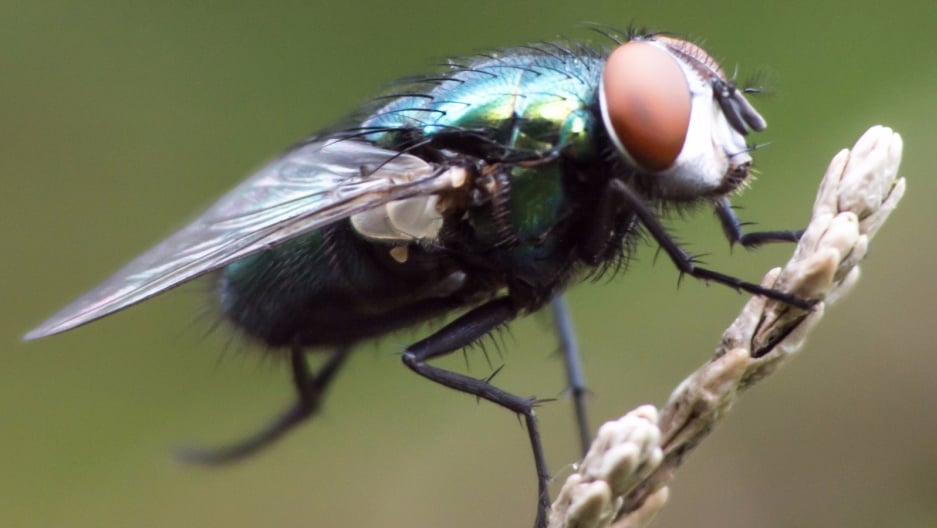
Why Are Flies Worse This Summer?
The short answer: it’s the perfect storm of heat, humidity, and ideal breeding conditions. But let’s break down exactly what’s happening.
Heat Accelerates Fly Breeding
Flies are cold-blooded creatures. When temperatures rise, their bodies heat up, their metabolism accelerates, and they become significantly more active. But heat doesn’t just make flies more annoying, it dramatically speeds up their entire life cycle.
Under normal conditions, a fly takes three to four weeks to mature from egg to adult. During Sydney’s current heatwave conditions, with temperatures regularly exceeding 35°C and hitting 42°C in western suburbs, that timeline shrinks to just one to two weeks. This means fly populations can explode seemingly overnight.
As entomologist Dr Dan Bickel from the Australian Museum explains, people tend to forget flies are around until a heatwave hits. Then suddenly they appear en masse, and it feels like an invasion.
Sydney’s Summer Weather Pattern
This summer has delivered exactly the conditions flies love. The Bureau of Meteorology forecast warmer than average temperatures across NSW, and that prediction has certainly come true. Sydney has already recorded multiple days above 42°C this summer, the first time that’s happened since 2013.
But it’s not just the heat. The combination of warm days with humid conditions (particularly after summer storms common in Western Sydney and across the greater metropolitan area) creates the moist environment flies need to breed successfully.
Why 2025-2026 Is Particularly Bad
Several factors have combined to make this summer especially challenging:
A mild, wet winter allowed more fly eggs and larvae to survive through the cooler months. Normally, cold temperatures kill off a significant portion of the fly population. This year, many more survived to breed when temperatures rose.
Extended humid conditions following winter rains created abundant organic matter and moist breeding sites across suburban Sydney.
The current heatwave has acted as a population accelerator, with multiple generations of flies maturing in rapid succession.

The Science Behind Summer Flies
Understanding fly biology helps explain why they become such a problem in summer, and why quick action is essential.
Fly Life Cycle: From Egg to Infestation
A single female housefly can lay up to 500 eggs in her lifetime, typically depositing around 75-150 eggs at a time. In summer heat, those eggs hatch into maggots within just 8 to 24 hours.
The maggots feed on decaying organic matter for 3-5 days before becoming pupae. Within another week (faster in heat), adult flies emerge ready to breed. One female fly in early December can theoretically result in millions of descendants by February if conditions are right.
This is why fly problems escalate so quickly in summer. By the time you notice a significant number of flies, breeding has likely been underway for some time.
What Attracts Flies to Your Home?
Flies are drawn to Sydney homes by:
Food sources: Any organic matter, but especially meat, fruit, vegetables, and food scraps. Flies can detect food from considerable distances.
Moisture: Flies need water to survive and humid areas to breed. Kitchens, bathrooms, and laundries are prime spots.
Warmth: Your air-conditioned home actually attracts flies seeking relief from extreme heat, while warm spots around appliances provide ideal resting places.
Breeding sites: Rubbish bins, compost, pet waste, and any decaying organic matter provide perfect egg-laying locations.
The Maggot Problem: Why Fast Action Matters
Where there are flies, maggots are never far behind. And as any Sydney homeowner who’s discovered maggots in their bin knows, dealing with an infestation is deeply unpleasant.
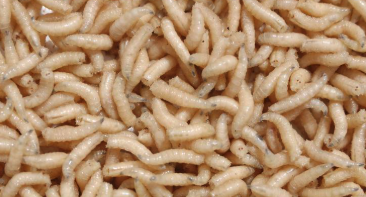
How Quickly Can Maggots Appear?
If a fly lands on exposed food or organic waste in your home, eggs can be deposited instantly. Within 8-24 hours in summer temperatures, those eggs hatch into maggots. By the time you notice the problem, you may already have hundreds of larvae.
Common places Sydney homeowners discover maggots include:
- Wheelie bins, especially after bin day is delayed
- Kitchen bins, particularly if meat scraps are present
- Pet food bowls left out overnight
- Compost bins or piles
- Under appliances where food scraps accumulate
- Around deceased animals (possums, birds, rodents in roof spaces)
Health Risks of Flies and Maggots
While mostly considered a nuisance, flies do pose genuine health risks. Houseflies and blowflies can transfer pathogens as they move between contaminated materials and food preparation surfaces. They’re known carriers of bacteria causing:
- Salmonella
- E. coli
- Cholera
- Typhoid fever
- Dysentery
Flies don’t bite, but they regurgitate digestive fluids onto food surfaces before feeding, potentially transferring bacteria in the process. This is why fly control is particularly important in kitchens and anywhere food is prepared or consumed.
How to Reduce Flies in Your Sydney Home
Prevention is always easier than dealing with an established fly problem. Here’s what works.
Eliminate Breeding Sites
Manage your bins effectively:
- Empty kitchen bins daily during summer, especially if they contain meat or fish scraps
- Ensure wheelie bin lids close tightly
- Rinse bins regularly with hot water
- Keep bins in shaded areas where possible (heat accelerates decomposition and odour)
Handle food waste promptly:
- Wrap meat scraps in newspaper or bags before binning
- Freeze food scraps until bin night if flies are severe
- Clean up pet food bowls after feeding
- Remove fallen fruit from gardens
Reduce moisture:
- Fix any leaking taps or pipes
- Ensure good drainage around your property
- Empty pot plant saucers regularly
- Clear gutters of organic debris
Block Entry Points
Install and maintain fly screens:
- Check screens for holes or gaps
- Ensure screens fit tightly in frames
- Consider magnetic screen doors for high-traffic areas
Seal gaps:
- Weather-strip doors and windows
- Seal around pipes and vents entering your home
- Check for gaps around air conditioning units
Use Deterrents
Natural options:
- Flies dislike strong herbs like basil, lavender, and mint, consider potting these near entry points
- Essential oils (eucalyptus, peppermint, citronella) can deter flies when diffused
- Keep surfaces clean with vinegar-based solutions
Commercial options:
- Fly traps (UV light traps work well indoors)
- Fly paper in problem areas
- Surface sprays around entry points (follow label directions carefully)

What to Do If You Already Have a Fly Infestation
If flies have already established themselves in your home, here’s how to regain control.
Immediate Steps
Find and remove the source: This is the most critical step. Flies don’t appear randomly; there’s always a breeding site. Check:
- All bins (including forgotten ones in garages or laundries)
- Under and behind appliances
- Pantries for spoiled food
- Roof spaces for deceased animals
- Drains and sink overflows
Clean thoroughly: Once you’ve found and removed the source, clean the area with hot water and disinfectant. For maggots, boiling water kills them on contact.
Ventilate: Open doors and windows to encourage flies to leave. Many will naturally exit once the food source is removed.
When to Call Professional Pest Control
DIY methods work well for minor fly problems, but professional treatment is recommended when:
The source isn’t obvious. If you’re seeing large numbers of flies but can’t locate where they’re breeding, there may be a hidden problem, possibly a deceased animal in your roof space or wall cavity.
You’re finding maggots repeatedly. Recurring maggot infestations suggest an ongoing breeding site that needs professional identification and treatment.
Flies return quickly after cleaning. This indicates the infestation is established and requires targeted treatment beyond surface cleaning.
You’re a food business. Commercial kitchens, cafes, and restaurants need professional fly management to meet health regulations and protect customers.
The problem is severe. Large-scale infestations with hundreds of flies require professional-grade treatments to resolve quickly.
Professional Fly Control: What to Expect
When you call Bug Free for fly control in Sydney, here’s what happens:
Inspection
Our technicians identify fly species present (different flies require different approaches) and locate all breeding sites. This often reveals sources homeowners have missed, including:
- Dead animals in roof spaces or wall cavities
- Blocked drains holding organic matter
- Hidden food sources behind appliances
- Issues with neighbouring properties affecting yours
Treatment
Depending on the situation, treatment may include:
- Removal of breeding sources
- Application of residual insecticides to resting surfaces
- Treatment of drain breeding sites
- Installation of monitoring systems for commercial properties
- Recommendations for preventing recurrence
Prevention Advice
We provide specific guidance for your property to prevent flies returning, including identifying conditions that attracted them in the first place.
Frequently Asked Questions About Summer Flies
Why are there suddenly so many flies in my house?
The most common cause is a nearby breeding source, often a bin that’s been sitting in the heat, forgotten food waste, or a deceased animal. Flies can also enter from outside in large numbers during heatwaves, seeking cooler conditions. Check your bins first, then look for any organic matter that might be attracting them.
How long do fly infestations last?
If you remove the breeding source, adult flies typically die within 15-30 days. However, any eggs or maggots present will continue developing. Without intervention, infestations can persist all summer as new generations emerge.
Are the flies in my house dangerous?
Houseflies and blowflies carry bacteria and can contaminate food surfaces. While serious illness from flies is uncommon in Australia, they do pose a hygiene risk, particularly in kitchens. The main health concern is food contamination rather than direct harm.
Why do flies keep coming back after I clean?
Either the breeding source wasn’t fully eliminated, or there’s a secondary source you haven’t found. Flies can breed in surprisingly small amounts of organic matter. If cleaning doesn’t resolve the problem, professional inspection can identify hidden sources.
What’s the fastest way to get rid of flies?
Remove the breeding source; this is non-negotiable. Then use a combination of fly traps and surface sprays to eliminate existing adults. For severe infestations, professional treatment provides the fastest resolution.
Can fly spray alone solve a fly problem?
No. Fly spray kills adult flies but doesn’t address eggs, maggots, or the breeding source. Without removing what’s attracting flies, new ones will continue emerging. Spray is a temporary measure while you identify and eliminate the source.
Don’t Let Flies Ruin Your Summer
Sydney summers should be about enjoying your home, not battling flies. Whether you’re dealing with a few persistent pests or a full-scale infestation, Bug Free Pest Control can help.
Our experienced technicians provide fast, effective fly control across all Sydney suburbs, with same-day service available and treatments starting from just $89.
Call 1300 855 548 or book online for fly control that actually works.
Currently dealing with maggots? Mention this article for priority service.
About Bug Free Pest Control
Bug Free Pest Control has provided effective, affordable pest control to Sydney homes and businesses for over a decade. With 22+ technicians servicing every Sydney suburb, 7 days a week, we’re here when you need us. Our 4.9-star Google rating from 4,800+ reviews reflects our commitment to solving pest problems properly, the first time.

Residential & Domestic
Professional services with affordable Prices
Our fully licensed and experienced technicians will provide you and your family members with a pest control treatment catered for you and your home.

Commercial Pest Control
100% environmentally safe and friendly
All our chemical treatments are approved under Australian Standards so you can be confident of a safe and quality outcome.