
The Macarthur region’s unique geography ā spanning bushland reserves, the Georges and Nepean Rivers, established suburbs, and rapidly expanding housing estates ā creates diverse pest pressures that vary significantly from suburb to suburb.
Termites: The Macarthur Region’s Most Destructive Pest
Termites thrive throughout the Campbelltown area, with subterranean species likeĀ Coptotermes acinaciformisĀ andĀ SchedorhinotermesĀ causing the majority of structural damage to local homes.
High-risk factors in this region include:
- Former farmland developmentĀ ā Suburbs like Oran Park, Gregory Hills, and Spring Farm were built on agricultural land where termite colonies were already established in trees, fence posts, and soil
- Proximity to bushlandĀ ā Properties backing onto reserves in Rosemeadow, Bradbury, and Glen Alpine face ongoing pressure from colonies in surrounding eucalyptus trees
- Georges River and Nepean River corridorsĀ ā Moisture near waterways in areas like Glenfield, Macquarie Fields, and Camden creates ideal termite habitat
- Older housing stockĀ ā Homes built before the 1990s in Campbelltown, Ingleburn, and Minto often lack modern termite barriers
Warning signs to watch for:Ā Mud tubes on foundations or walls, hollow-sounding timber when tapped, doors or windows that suddenly stick, small piles of frass (termite droppings), or discarded wings near windowsills ā especially after humid weather.
Rodents: A Growing Problem in New and Established Suburbs
Rats and mice are increasingly common across Campbelltown, driven by two key factors:
In new estates:Ā Construction activity displaces rodent populations from farmland into newly built homes. We regularly treat properties inĀ Leppington, Gledswood Hills, andĀ Edmondson ParkĀ where rodents have moved in before families have even finished unpacking.
In established areas:Ā Older suburbs likeĀ Minto, Airds, andĀ ClaymoreĀ have ageing infrastructure with gaps in rooflines, broken vents, and deteriorating seals that provide easy rodent access. Properties near theĀ Minto Industrial AreaĀ also face pressure from commercial rodent populations.
Signs of rodent activity:Ā Droppings (dark, pellet-shaped, 10ā15mm for rats, smaller for mice), gnaw marks on food packaging or cables, greasy rub marks along walls and skirting boards, scratching or scurrying sounds in roof cavities at night, or nests made from shredded paper and insulation.
Cockroaches: Kitchen Invaders Across All Property Types
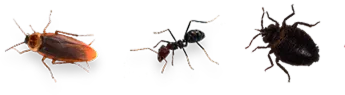
German cockroaches (Blattella germanica) and Australian cockroaches (Periplaneta australasiae) are the most common species we treat in Campbelltown homes.
German cockroachesĀ prefer warm, humid environments near food sources ā kitchens, dishwashers, and appliance motors. They’re particularly prevalent in:
- Unit blocks aroundĀ Campbelltown CBDĀ andĀ Macquarie Fields
- Restaurants and takeaway shops alongĀ Queen StreetĀ and inĀ Macarthur Square
- Older rental properties with shared walls
Australian cockroachesĀ are larger, prefer outdoor environments, and often enter homes through gaps around doors, windows, and weep holes. They’re common in:
- Established homes inĀ Ingleburn, Glenfield, andĀ LeumeahĀ with garden beds against external walls
- Properties with wood piles, mulch, or compost near the building
Daytime sightings mean trouble:Ā Cockroaches are nocturnal. If you’re seeing them during the day, it typically indicates a significant infestation where competition for harbourage is forcing some out into the open.
Spiders: Dangerous Species in Bushland-Adjacent Suburbs
The Macarthur region’s bushland proximity means encounters with venomous spider species are common:
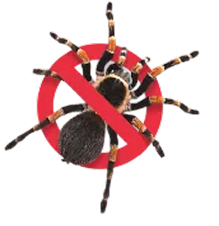
Sydney Funnel-web SpiderĀ (Atrax robustus) ā Found in moist, sheltered areas throughout Campbelltown, particularly in suburbs bordering reserves likeĀ Kentlyn, Wedderburn, andĀ Gilead. Males wander into homes during warmer months seeking mates.
Redback SpiderĀ (Latrodectus hasselti) ā Extremely common across all Campbelltown suburbs. They favour dry, undisturbed areas: garden sheds, meter boxes, outdoor furniture, children’s play equipment, and underneath pot plants.
Black House SpiderĀ (Badumna insignis) ā Abundant in window frames, eaves, and fencing throughout the region. While not dangerous, their webs are unsightly and they indicate other insect activity.