

The Lower North Shore’s established suburbs, significant tree coverage, and mix of heritage homes and modern apartments create a pest environment quite different from Sydney’s western or southern regions. Understanding these local factors helps explain why certain pests thrive here – and how to effectively manage them.
Termites: A Serious Risk on the North Shore
Despite its affluent streetscapes, the Lower North Shore sits within a high-risk termite zone. The combination of mature trees, established gardens, and older timber-framed homes creates ideal conditions for subterranean termite colonies.
Why Chatswood properties face elevated termite risk:
- Significant tree canopy – Mature eucalypts, brush box, and fig trees across Chatswood, Willoughby, and Lane Cove provide food sources for termite colonies
- Bushland edge suburbs – Properties in Roseville Chase, Castlecrag, and Castle Cove border Lane Cove National Park, placing them in direct contact with bushland termite populations
- Heritage construction – Many North Shore homes built before 1970 feature timber subfloors, hardwood framing, and construction methods that predate modern termite management
- Concealed entry points – Terraced gardens, retaining walls, and landscaping against buildings create bridging points that bypass physical barriers
Common termite species on the Lower North Shore: The most frequently encountered species in Chatswood include Coptotermes acinaciformis (the most destructive species in Australia), Schedorhinotermes intermedius, and various Nasutitermes species. Each requires specific treatment approaches for effective colony elimination.
Warning signs for Chatswood homeowners:
- Mud tubes on foundation walls, piers, or inside subfloor areas
- Timber that sounds hollow when tapped
- Doors or windows that suddenly stick or won’t close properly
- Small piles of frass (termite droppings) or discarded wings
- Bubbling or rippling in paint on timber surfaces
Rodents: Bushland Meets Urban Living
The North Shore’s proximity to bushland reserves drives seasonal rodent pressure that many residents find surprising in such established suburbs.
Roof rats (Rattus rattus) are the dominant species across Chatswood and surrounding areas. These agile climbers access homes via:
- Overhanging tree branches touching rooflines
- Gaps where services enter the building
- Damaged eaves, fascia boards, or terracotta roof tiles
- Climbing plants and dense vegetation against walls
Norway rats (Rattus norvegicus) are more common at ground level, particularly around:
- Commercial premises with food waste
- Properties near Lane Cove River or stormwater channels
- Buildings with accessible subfloor areas
Mice typically enter during cooler months, seeking warmth and food. Apartments with gaps around plumbing risers or ducted systems are particularly vulnerable.
Signs of rodent activity:
- Droppings in cupboards, roof void, or along wall edges
- Gnaw marks on food packaging, timber, or electrical cables
- Scratching or scurrying sounds at night, especially in ceiling cavities
- Greasy rub marks along walls where rodents travel repeatedly
- Nests of shredded paper, insulation, or fabric
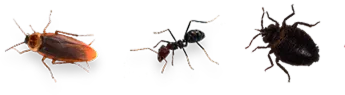
Cockroaches: Different Species, Different Solutions
Cockroach issues on the Lower North Shore typically involve two distinct species requiring different treatment approaches:
German Cockroaches (Blattella germanica) Small, fast-breeding, and notoriously difficult to eliminate. These prefer warm, humid environments near food and water:
- Commercial kitchens and restaurants (common throughout Chatswood’s dining precincts)
- Apartment kitchens, particularly around dishwashers and refrigerator motors
- Units in buildings where infestations spread via shared plumbing and ducting
German cockroaches don’t respond well to surface sprays – they require targeted gel baits and residual treatments applied to harbourage areas.
Australian and American Cockroaches Larger species that typically live outdoors but enter homes through gaps and vents:
- Common in older Chatswood homes with subfloor access
- Often found in garages, laundries, and ground-floor areas
- More responsive to perimeter barrier treatments
Daytime cockroach sightings indicate significant populations. These nocturnal insects only venture out during daylight when harbourage areas become overcrowded.
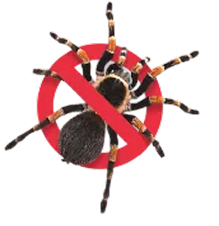
Spiders: Venomous Species Require Caution
The North Shore’s bushland proximity means encounters with dangerous spider species are more common than in heavily urbanised areas.
Sydney Funnel-Web Spider (Atrax robustus) One of the world’s most venomous spiders, found throughout the Lower North Shore:
- Males wander into homes during warmer months seeking mates
- More common in suburbs bordering bushland (Castlecrag, Roseville Chase, Northbridge)
- Often found in garages, subfloor areas, and garden beds with moist, sheltered conditions
- Increased activity after rainfall when they’re driven from flooded burrows
Redback Spider (Latrodectus hasselti) Extremely common across all Chatswood suburbs:
- Garden sheds, meter boxes, outdoor furniture
- Children’s play equipment, pot plant bases
- Rarely found indoors but common in covered outdoor areas
Black House Spider and others Less dangerous but prolific web-builders:
- Window frames, eaves, and fencing
- Indicate other insect activity they’re feeding on
Possums: A Protected Species on Your Property
Unlike pests that can be eliminated, brushtail and ringtail possums are protected under NSW law. It’s illegal to harm, trap, or relocate them without specific permits.
Possum issues common on the North Shore include:
- Noise in roof voids (thumping, scratching, territorial disputes)
- Damage to gardens, fruit trees, and vegetable patches
- Staining and odour from urine and droppings in ceiling cavities
- Entry points through damaged eaves, missing tiles, or gaps in rooflines
What we can do:
- Inspect your property to identify entry points and confirm possum activity
- Provide advice on legal exclusion methods
- Recommend licensed wildlife handlers for humane management
- Seal entry points once possums have been legally excluded